I capture landscapes, travel, and street scenes with a focus on place, light, and the quiet moments that often go unnoticed. Fine art prints without watermarks, and other quality products featuring this photo, are available on my Shop link.
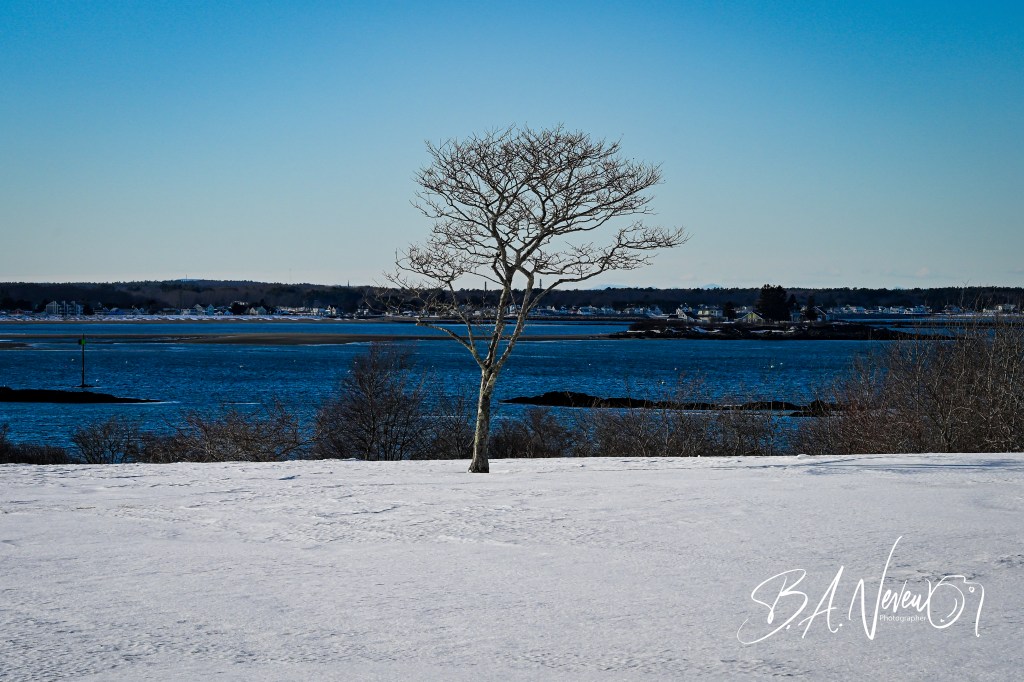
A solitary tree stands sentinel above a snow-covered foreground, overlooking calm coastal waters beneath clear winter skies. Bare branches stretch across the horizon, tracing the quiet boundary between land, sea, and season. The Saco Bay shoreline remains visible beyond the river channel, where unrestricted visibility and the stark stillness of a cold coastal winter day never disappoint.
Fine art prints and other quality products featuring this photo are available on my artists page at Fine Arts America.
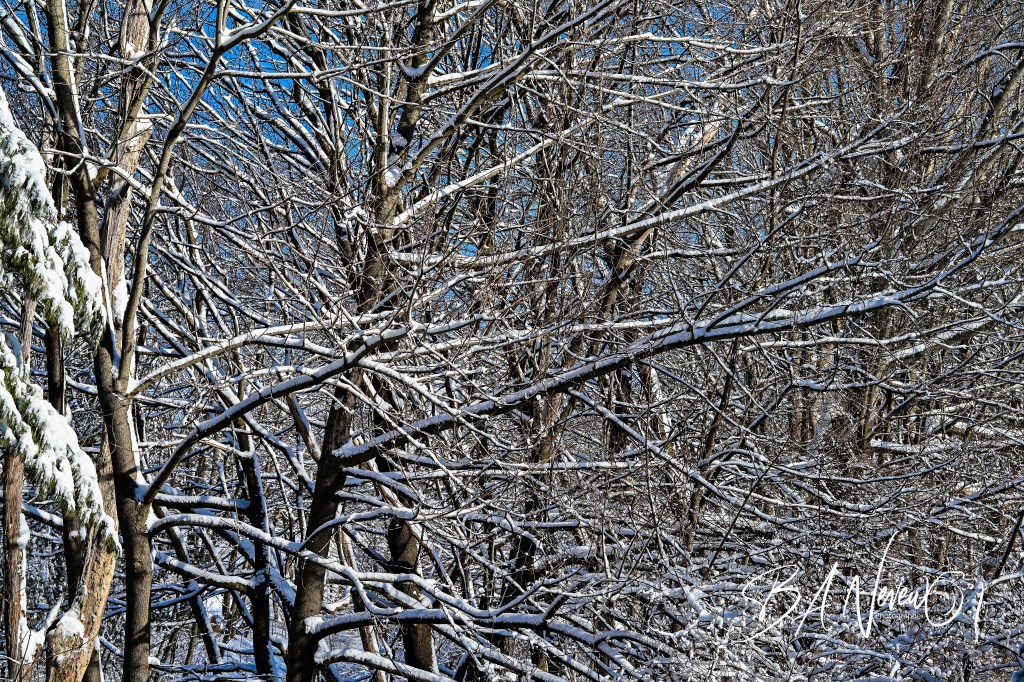
Snow outlines every branch, turning the woods behind our home into a lattice of dark lines and bright edges against a cold blue sky. With the leaves gone, winter reveals the structure beneath—the bones of the forest, steady and unadorned until spring’s return.
From my window, Maine feels both stark and quietly strong this February morning. Spring arrives in 27 days, but here that is just a number.
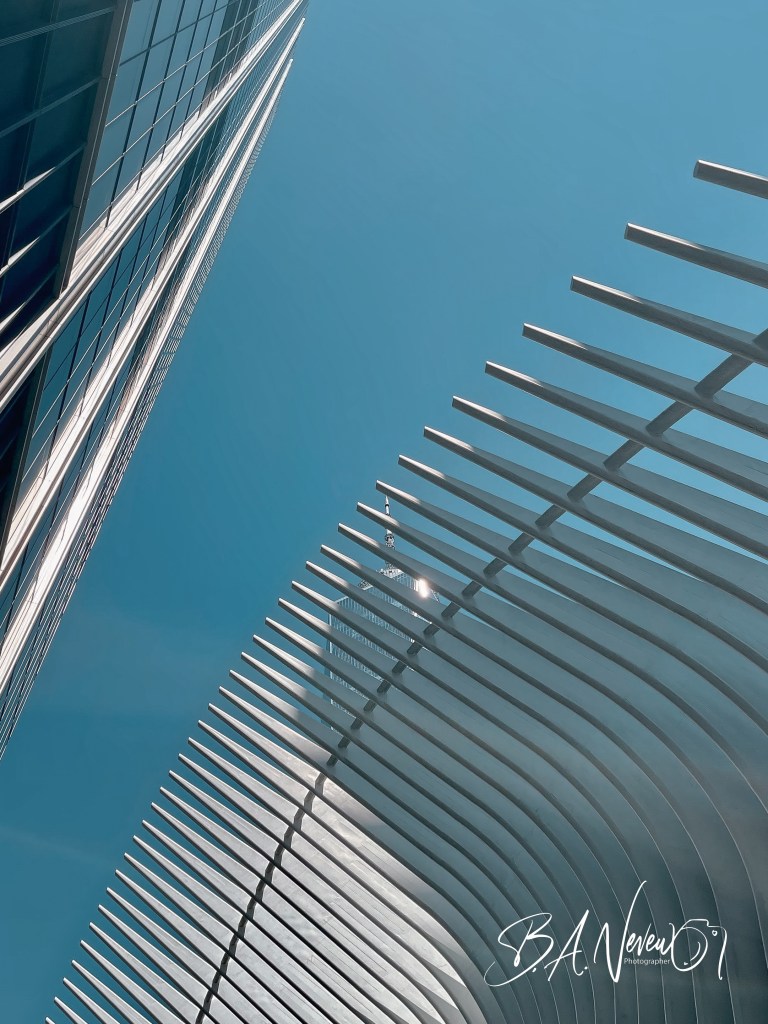
Designed by Spanish architect Santiago Calatrava, the Oculus Transportation Hub frames One World Trade Center as it rises like a phoenix — decades after a cataclysmic September that remains long past, yet never forgotten. Through the wings of the Oculus, One World Trade Center emerges, reshaping not only the New York skyline, but the shared memory of a generation — a quiet testament to endurance, reflection, and resolve.
Decades after a cataclysmic September that remains long past, yet never forgotten, through the wings of the Oculus, One World Trade Center emerges, reshaping not only the New York skyline, but the shared memory of a generation.
From the photographers vantage point outside One World Trade Center Transportation Center, the lens finds morning sun on glass and steel as he explores light, symmetry, and negative space. The sweeping white ribs of the Oculus guides the eye upward toward resilience carved in steel and sky. Fine art quality prints of this photograph are available here.
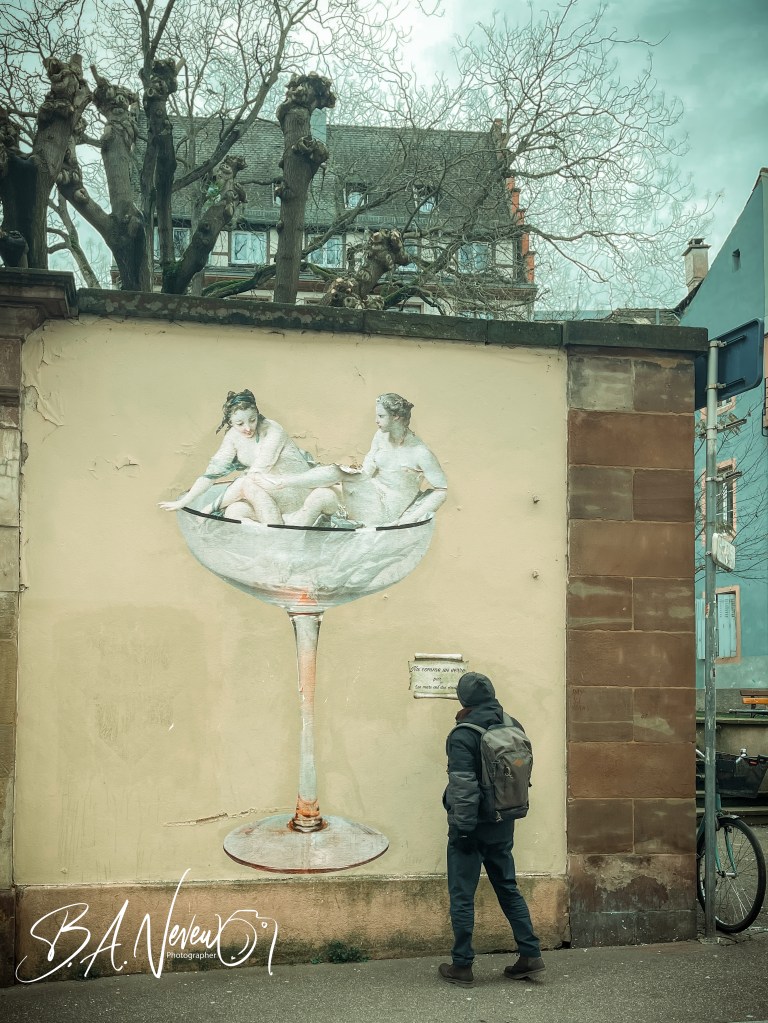
A lone passerby enters my frame and pauses beneath a mural in Strasbourg, where two classical figures balance delicately inside a towering champagne coupe. The painted description reads “Nu come un verre par les murs ont des oreilles” (naked as a glass and the walls have ears). The faded mural is a quiet collision of old-world elegance and contemporary street life. Muted December afternoon light softens the scene, lending a dreamlike hush to the moment as bare branches trace the sky above.
The composition plays with scale and perspective: painted fantasy meets lived reality, inviting the viewer into a fleeting conversation between art and observer. Earthy tones and worn pastels allow texture, posture, and atmosphere to carry the narrative.
This image captures one of those subtle urban interludes, when a moment of curiosity, reflection, and quiet discovery reminds us that travel is often less about landmarks and more about the small, unexpected encounters that linger long after we’ve moved on.
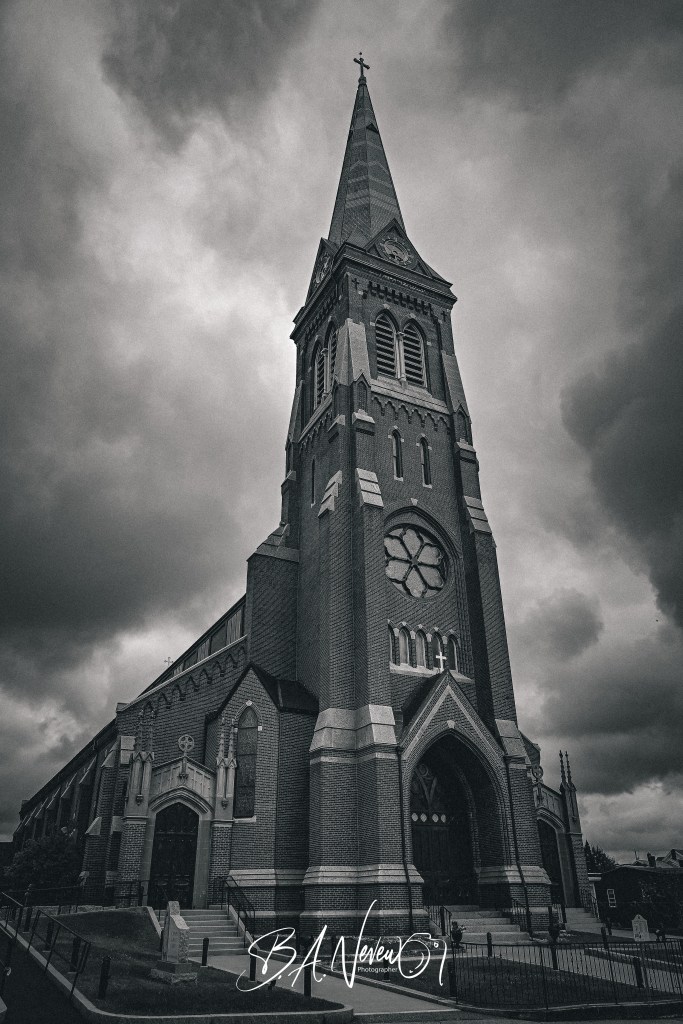
Rising from Biddeford’s mill-era streets like a stone prayer, the late 19th-century St. Joseph’s Roman Catholic church stands as both sentinel and sanctuary. The 235 feet Neo-Gothic church was the tallest building in the state for many years. Its soaring spire pierces a restless Maine sky, drawing the eye upward in quiet reverence, while dark brick walls carry the weight of generations; immigrants, laborers, families who once gathered beneath its vaulted ceilings. The Gothic arches and rose window speak in a language of faith and craftsmanship, etched by hand and time. Framed in brooding clouds, the structure feels almost cinematic: a monument to perseverance, devotion, and community, where history lingers in every shadow and the past still hums softly through weathered stone. Prints of this photograph, and other work, without the watermark and in various sizes, are available here
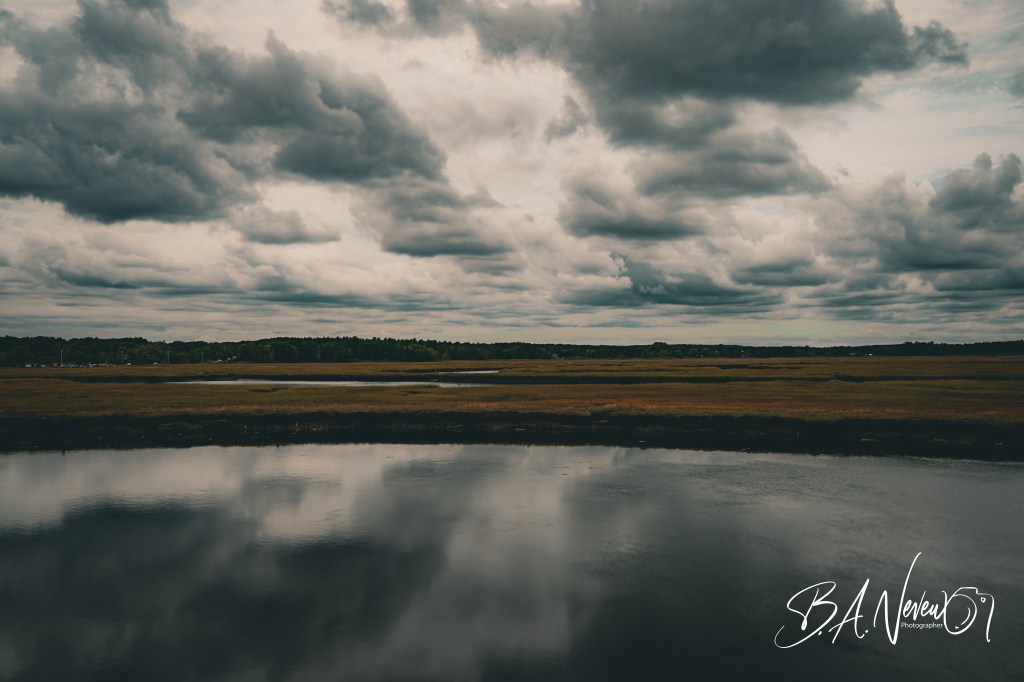
This photograph captures a quiet moment on Scarborough Marsh where sky, water, and an ecosystem exist in perfect conversation. While walking the Eastern Trail in search of various flora and fauna, I observed clouds drifting across the muted horizon, reflecting softly on water below creating a natural symmetry that spoke to stillness and balance.
Drawn to subtle light and understated color, I often seek scenes that invite pause and contemplation. The restrained palette and open space of a marsh landscape allow the viewer to breathe, offering a sense of calm amid changing weather. My work is rooted in observing these fleeting transitions—often where land meets tide and silence carries meaning—transforming ordinary landscapes into reflective, timeless visual experiences. To own a copy of this photograph, or others posted on my blog, for your home or business, please explore options at FineArtAmerica.com Photographs available for purchase do not include watermarks and are available in various sizes.
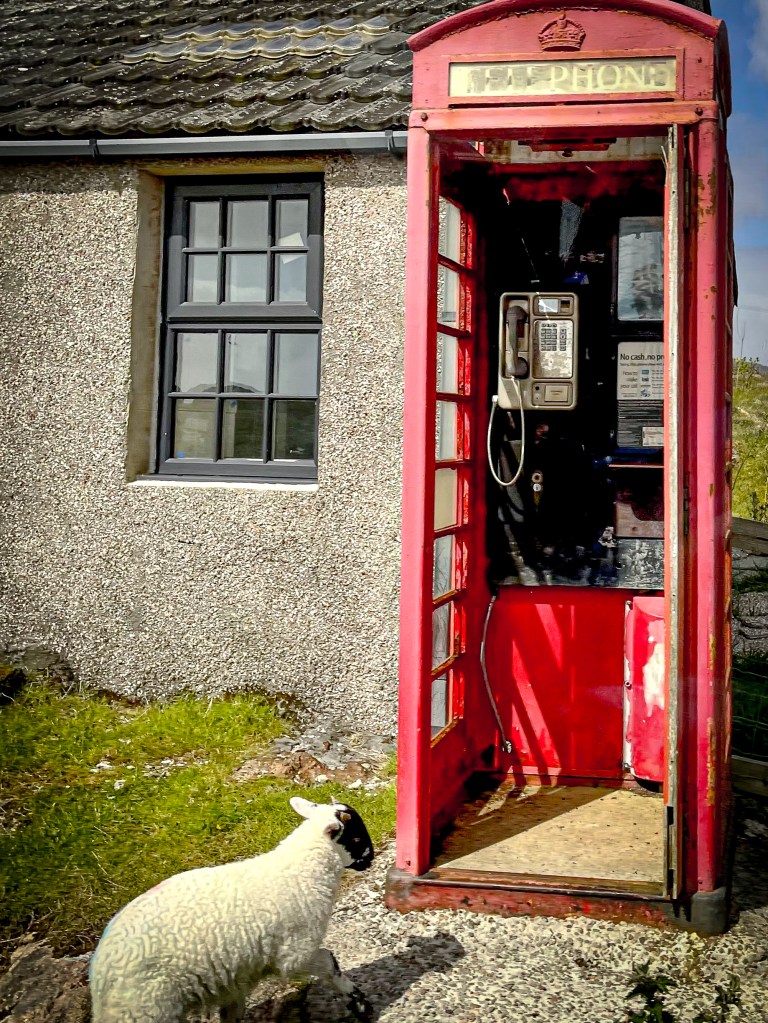
Isle of Lewis and Harris, Scotland- Where the sheep are more connected than you are
Welcome to the Isle of Harris, where sheep outnumber humans by a comfortable margin and appear to be running things behind the scenes. They lounge in fields, wander roads with total confidence, and occasionally inspect historic phone booths like unpaid heritage officers. Meanwhile, the locals bravely attempt to keep up—shearing wool, weaving Harris Tweed, and politely pretending they’re still in charge.
Harris Tweed, of course, is handwoven by islanders using traditional methods, which sounds quaint until you realize it starts with convincing thousands of fluffy, free-range employees to cooperate. Spoiler: they don’t. The sheep operate on their own schedule.
Life here moves at a gentler pace, dictated by weather, tides, and livestock traffic. You come for the dramatic landscapes and artisan textiles, but stay for the comedy of watching a farmer negotiate with a sheep. On Harris, even the wool has a backstory—and it probably involves stubbornness, wind, and excellent grass.
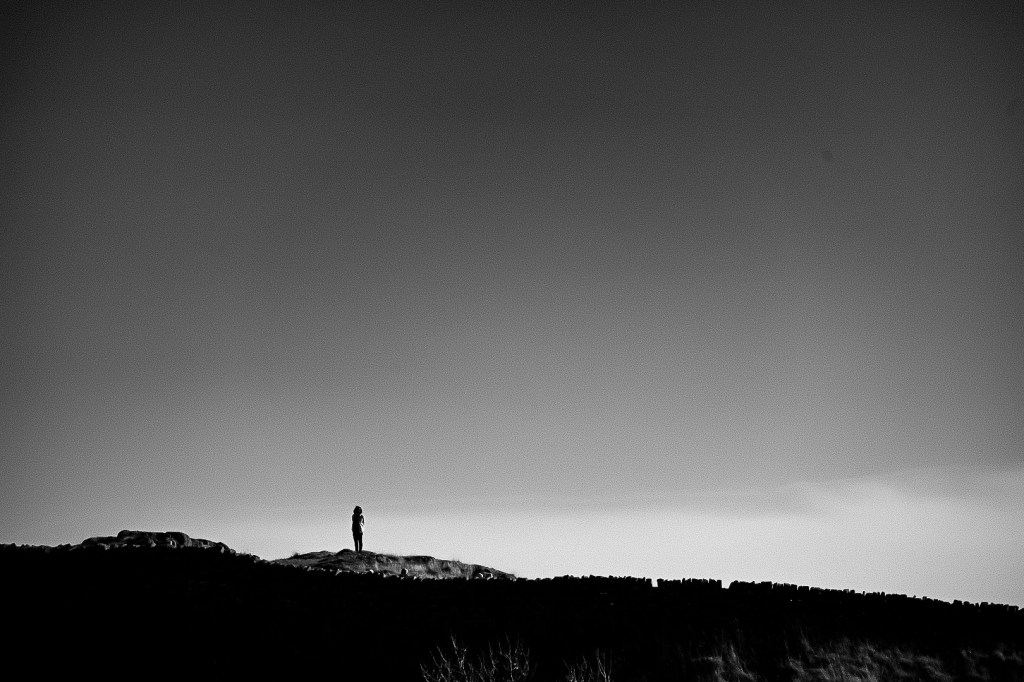
A lone figure walks a dark ridge, dwarfed by an immense sky that dominates the frame. Rendered in stark black and white, the photograph heightens the drama of light and shadow across the landscape. The walker appears small and distant, their upright posture and measured stride echoing an imagined Roman centurion pacing Hadrian’s Wall, watching for unseen Caledonian enemies beyond the frontier. The ridge itself suggests the line of ancient fortifications, weathered into earth and stone yet retaining a quiet, stubborn presence. A high horizon and generous negative space create a palpable sense of isolation, as though time has thinned and the past briefly surfaces through this solitary figure. The image feels both timeless and cinematic, a visual meditation on borders, vigilance, and the ghosts of history that haunt these northern English hills.
First‑time visitors to the Wall often wonder where all the stone went. Much of Hadrian’s Wall vanished because later generations quarried it for building material. In the Middle Ages and beyond, local farmers and landowners treated the structure as a convenient “stone mine,” hauling away blocks to make field walls, barns, farmhouses, and churches. Towns and estates along the route folded its masonry into roads, bridges, and domestic buildings; in some villages, reused Roman stones still surface in foundations. Entire forts and milecastles—what we might now call guard posts or outposts—were dismantled to supply dressed stone for castles and manor houses after the Norman Conquest. By the time historians archaeologists took serious interest in the 18th and 19th centuries, long stretches of the 73‑mile barrier had already been robbed down to their footings, leaving only remote, less accessible sections relatively intact. Limited copies of this image, for use as tasteful prints and notecards are available for purchase at FineArtAmerica.com
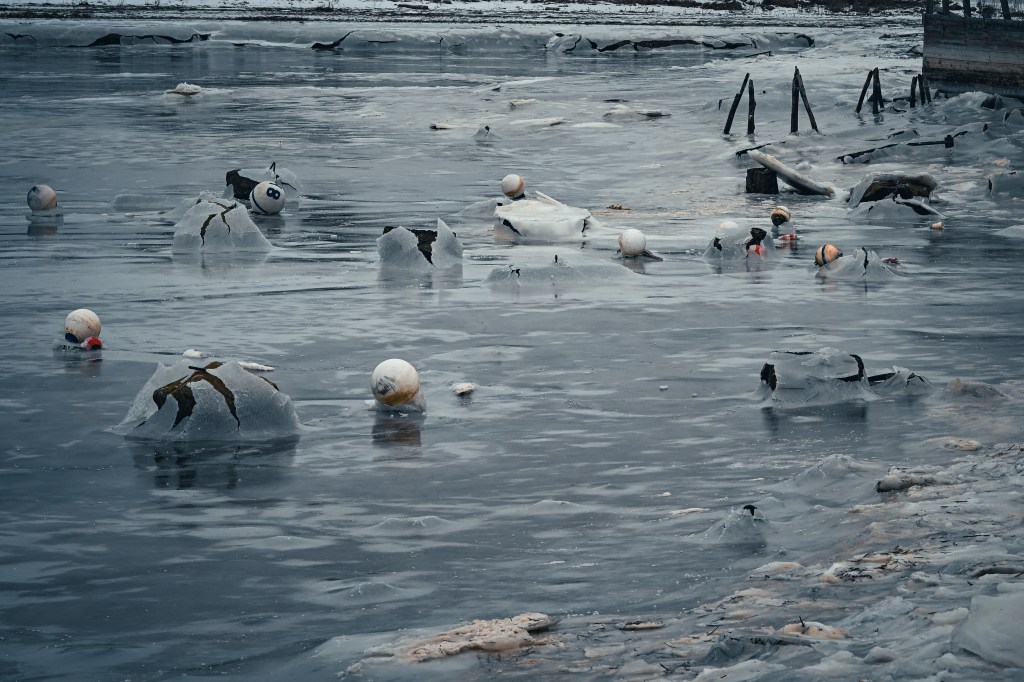
Winter holds the harbor in a fragile grip. A thinning skin of ice drifts across the tidal river, fractured into pale plates that tilt and scrape against one another. Summer’s faded. mooring buoys reappear, half buried, like memories of last summer surfacing through January water. Along the shore, weathered pilings and a sagging seaway mark where boats once rested easily. The tide is slowly retreating, pulling winter ice seaward, hinting at motion, patience and the slow promise of the seasons eventual turning. Time pauses here, between thaw and freeze and tidal rhythm, revealing the resilience of a Maine fishing community etched in coastal silence.
If you’d like a copy of this image for your use, prints and cards are available at FineArtAmerica.com
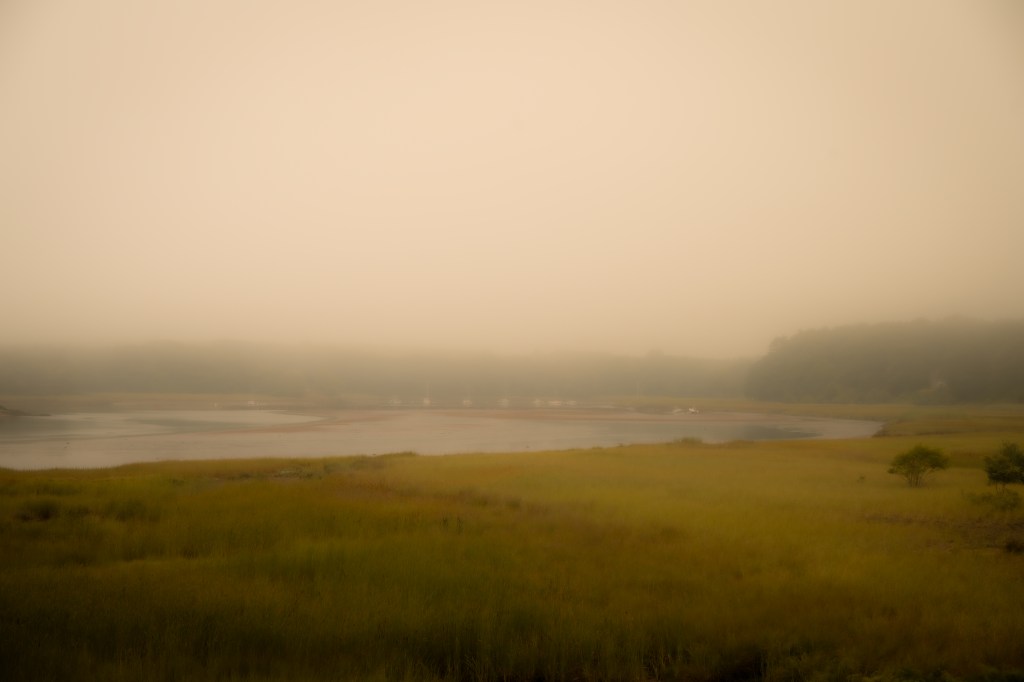
Morning settles gently over the tidal Saco river in Maine, where fog softens the landscape into quiet abstraction. Marsh grasses glow muted gold beneath a pale sky, their edges dissolving into drifting mist. The river curves calmly through the frame, reflecting subdued light and the slow rhythm of the tide. Distant trees fade into silhouette, suspended between presence and absence. This photograph is about stillness and restraint—a fleeting moment when land, water, and air briefly blur together. It invites contemplation, asking the viewer to pause, breathe, and experience the quiet poetry of a coastal morning.
Prints, cards and other quality products available at FineArtAmerica.com
 B.A.Neveux Photography