
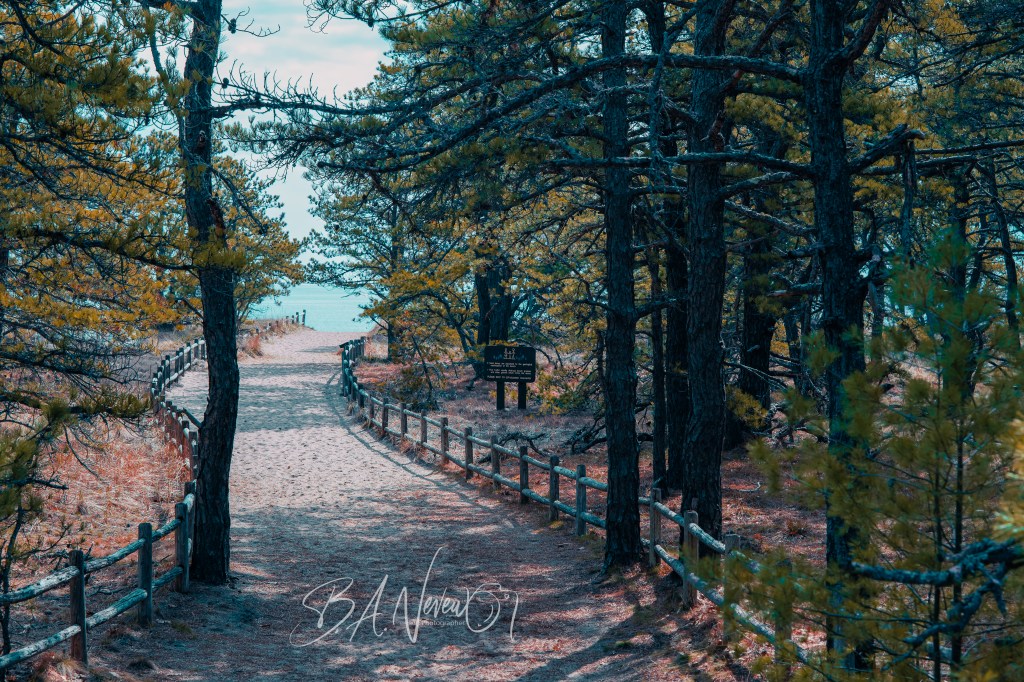
What makes Ferry Beach distinct isn’t just its history—it’s how little it feels to have changed over time. The pathway through the dunes still channels people toward the sea much like it did generations ago. When I was a kid our family and countless others would sometimes park along Route 9 and kids would scramble out of family sedans or beach wagons and scurry up this path to the beach and open water.
This oceanside state park is one of those Maine places where the past hasn’t disappeared. It’s been allowed to keep breathing but that might not have been possible without the creation of the park in the 1960’s. As coastal Maine grew in popularity after World War II, development pressure increased. Like many shoreline areas, Ferry Beach faced the risk of being carved up for private ownership or commercial expansion.
By the 1960s, local concern shifted toward preservation—recognizing the ecological value of the dunes, wetlands, and rare plant life. Today, thanks to all who fought to preserve this space 60 years ago, the park protects 117 native acres between Bay View road and Saco Bay and a rare black gum swamp (Tupelo) on the northern fringe of the species’ range. Black gum swamps range from southern Maine to the Gulf of Mexico and Tupelo is the Cree language name for swamp.
 B.A.Neveux Photography
Leave a comment